All articles
Medicine for Lice in Hair Treatment Options and How to Use Them Safely
Say goodbye to head lice fast! Discover the best medicine for lice in hair, safe treatment options, expert application tips, and proven ways to prevent lice from returning.
Medicine for Lice in Hair Treatment Options and How to Use Them Safely
Finding head lice can be stressful, especially when itching continues despite repeated washing or home treatments. Many parents immediately search for the best medicine for lice in hair, but choosing the right treatment involves more than buying the first lice shampoo available.
Some lice medicines kill live insects but do not destroy all eggs, while others may require a second application. Treatment results can also depend on correct application, careful nit removal, hair length, and whether other family members have lice.
This guide explains the common types of head lice medicine, how to use treatment safely, and when professional head lice removal services in the UAE may be the more practical option.
What Are Head Lice?
Head lice are small insects that live close to the scalp and feed on small amounts of blood. Their eggs, known as nits, attach firmly to individual hair strands and can be particularly difficult to remove.
Head lice are usually spread through direct head-to-head contact. They are not caused by poor hygiene and can affect clean, regularly washed hair.
Common signs include:
- Persistent scalp itching
- A crawling sensation in the hair
- Small insects moving close to the scalp
- Nits attached firmly to the hair
- Irritation behind the ears or near the neck
- Redness caused by frequent scratching
Before applying any medicine, confirm that live lice are present. Dandruff, dry skin, and hair-product residue can sometimes be mistaken for nits.
For additional guidance, read our article on what to do when your child has lice.
What Is the Best Medicine for Lice in Hair?
There is no single lice medicine that is suitable for every person. The best option depends on age, scalp sensitivity, pregnancy status, previous treatments, and local product availability.
Head lice treatments are generally divided into two categories:
Over-the-Counter Lice Medicine
Many pharmacies sell lotions, sprays, or shampoos containing ingredients designed to kill live head lice. Common lice-treatment ingredients used internationally include permethrin, pyrethrins, or silicone-based substances such as dimeticone.
Some products affect the lice’s nervous system, while silicone-based treatments work by physically coating or immobilising them.
Over-the-counter medicine may be effective when it is:
- Suitable for the user’s age
- Applied to all affected areas
- Left on for the instructed period
- Used in the correct quantity
- Repeated when required
- Combined with careful checking and combing
Always read the product instructions. Some medicines kill live lice but may not destroy every egg, meaning a second treatment may be required after newly hatched lice appear. The CDC confirms that certain head lice medicines require retreatment because they kill lice without reliably killing all eggs.
Prescription Medicine for Head Lice
A doctor may recommend prescription treatment when over-the-counter products have failed, cannot be used safely, or have already been applied correctly without success.
Prescription options may include topical formulations containing ingredients such as ivermectin, spinosad, benzyl alcohol, or malathion. Availability and approval can vary by country, and these products are not appropriate for every age group.
Do not use prescription medicine belonging to another person or select a treatment based only on recommendations found online. A doctor or pharmacist should determine whether the product is appropriate.
How to Use Lice Medicine Correctly
Incorrect application is one of the most common reasons lice treatment fails. Before using any medicine for lice in hair, carefully follow the instructions printed on the package.
General steps may include:
- Confirm the presence of live lice.
- Check whether the product should be applied to dry or wet hair.
- Use the amount recommended for the person’s hair length.
- Cover the scalp and hair thoroughly.
- Leave the medicine on for the stated time only.
- Rinse the product exactly as instructed.
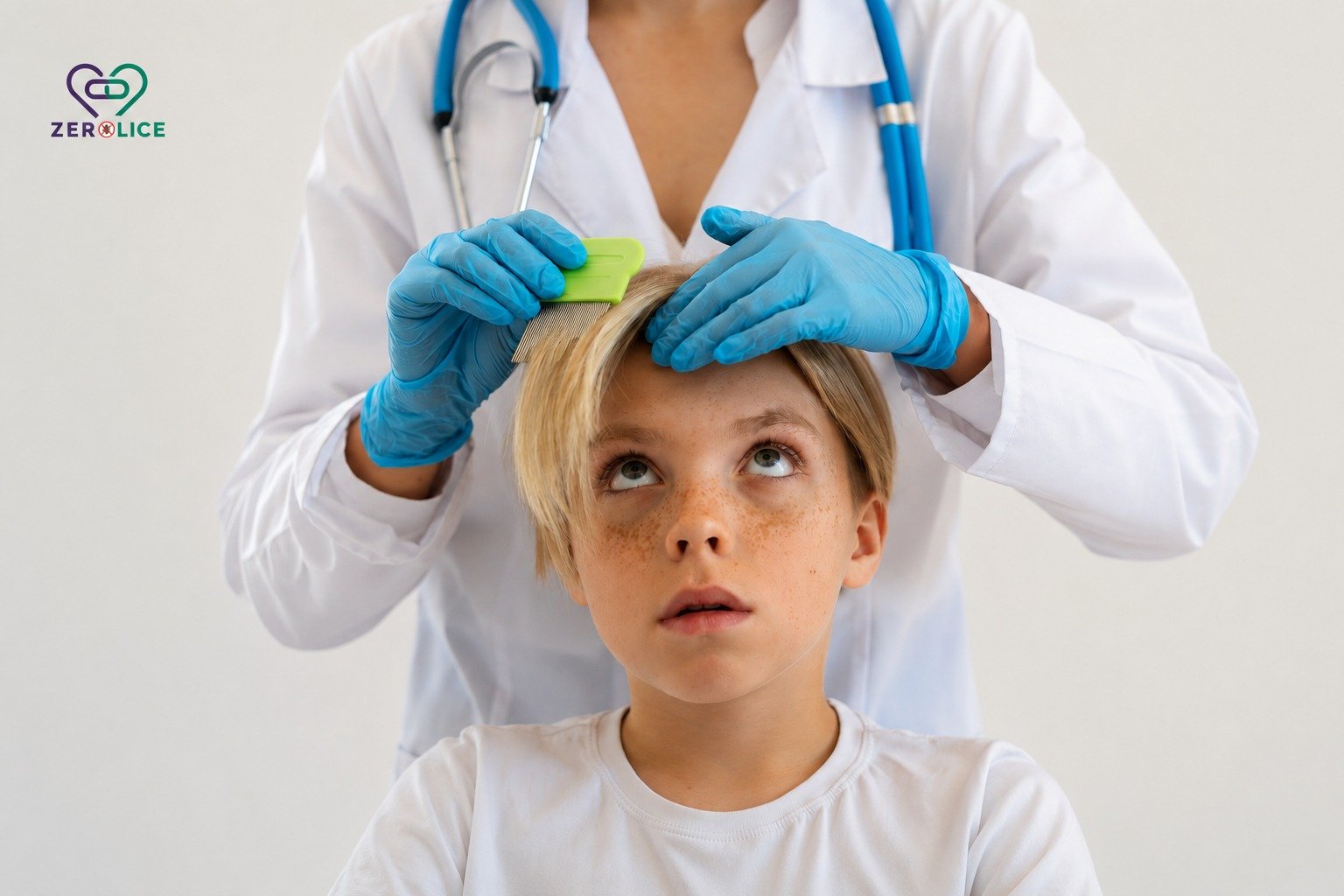
- Check the hair with a fine-toothed lice comb.
- Repeat treatment only when the instructions recommend it.
- Continue checking the hair for live lice.
Do not leave lice medicine on longer than recommended. Using extra product or combining two different treatments does not necessarily improve results and may increase the risk of scalp irritation.
The NHS advises checking the package to make sure a treatment is suitable for the person using it and to determine whether another application is required after approximately one week.
Does Lice Medicine Kill Nits?
Not every treatment kills both lice and their eggs.
A product may successfully kill crawling lice while some viable eggs remain attached to the hair. These eggs can later hatch, making it appear that the treatment did not work. This is why certain products require a carefully timed second application.
Even when medicine is effective, empty egg cases may stay attached to the hair. Their presence does not always mean there is still an active infestation. The most reliable sign is finding live, moving lice.
Manual nit removal can help families monitor the hair and reduce the chance of missing newly hatched lice. Learn how professional inspection and removal are completed through our step-by-step lice removal process.
Why Does Head Lice Medicine Sometimes Fail?
Treatment may fail for several reasons:
Incorrect Application
Not using enough product, washing it out too early, or applying it incorrectly can leave areas of the scalp untreated.
Missed Second Treatment
When medicine does not kill all eggs, missing the required follow-up application allows newly hatched lice to survive.
Reinfestation
A successfully treated person can become infested again after close contact with someone who still has live lice.
Misdiagnosis
Dandruff, dried hair products, and other debris may be mistaken for nits. Applying lice medicine without confirming live lice can lead to unnecessary treatment.
Reduced Product Effectiveness
In some cases, lice may not respond well to a particular active ingredient. Repeatedly applying the same unsuccessful product without professional advice can irritate the scalp without solving the problem.
Read more about the common reasons DIY lice treatments fail.
Should Everyone in the Household Use Lice Medicine?
Everyone in the household should be checked carefully, but medicine should generally be used only on people with confirmed live lice unless a healthcare professional advises otherwise.
Pay particular attention to:
- People who share a bed
- Siblings who frequently play together
- Family members with long hair
- Anyone experiencing scalp itching
- Anyone who has had close head-to-head contact
When more than one person has an active infestation, treating affected household members within the same period can reduce the risk of lice passing back and forth. Current guidance recommends checking close contacts and coordinating treatment for those who are affected.
Is Lice Medicine Safe for Children?
Many lice treatments are intended for children, but minimum age requirements vary between products.
Before treating a baby or young child, check:
- The minimum approved age
- Whether the scalp is broken or inflamed
- Known allergies
- Existing skin conditions
- Other medications being used
- Whether the child has previously reacted to lice products
Pregnant or breastfeeding individuals should also speak with a doctor or pharmacist before using medicated lice treatment.
Never apply agricultural insecticides, veterinary products, kerosene, petrol, household pesticides, or other toxic substances to the hair. These products can cause serious harm and are not safe head lice treatments.
Medicine Versus Professional Lice Removal
Lice medicine may be convenient for mild, recently detected infestations, but home treatment can become difficult when:
- The hair is very long, thick, curly, or tightly textured
- Many nits are attached close to the scalp
- Several family members are affected
- Previous treatments have failed
- The scalp is sensitive
- Parents are unsure whether lice are still present
- The infestation keeps returning
- There is not enough time for repeated combing sessions
Professional lice removal offers direct inspection and systematic removal of lice and nits. It can also help families avoid repeatedly changing products without knowing why treatment is failing.
Zero Lice provides gentle lice care for families across the UAE. You can review our lice removal prices and treatment options before arranging your appointment.
What Should You Do After Treatment?
After applying medicine or completing a professional treatment:
- Recheck the hair regularly.
- Follow the product’s retreatment instructions.
- Clean combs and brushes used by affected individuals.
- Avoid sharing brushes, hair accessories, hats, and towels.
- Inform close contacts so they can check their hair.
- Reduce direct head-to-head contact until treatment is complete.
- Do not use medicated products as a routine preventive measure.
Excessive household spraying or deep cleaning is generally unnecessary. The main priority is finding and treating live lice on the head.
When Should You Speak to a Doctor?
Ask a doctor or pharmacist for advice when:
- The affected person is very young
- The scalp is infected, bleeding, or severely irritated
- There is a history of allergies or skin reactions
- The person is pregnant or breastfeeding
- Live lice remain after correctly completed treatments
- You are unsure which medicine is appropriate
- Symptoms continue without visible lice
A healthcare professional can confirm whether the problem is head lice and recommend an age-appropriate treatment.
Book Professional Lice Removal in the UAE
Finding the right medicine for lice in hair is only one part of successful treatment. Correct diagnosis, complete application, nit checking, follow-up, and examination of close contacts are equally important.
When home treatments are unsuccessful or the removal process feels overwhelming, professional support can save time and reduce the risk of repeated infestation.
Zero Lice offers private, gentle head lice removal support for children and adults in the UAE. Explore our approach to lice-free care, or contact Zero Lice to ask a question and arrange an appointment.