All articles
Head Lice Treatment for Adults in Dubai: What Works
Head lice treatment for adults in Dubai: learn the signs, compare treatment options, manage long hair, and check Zero Lice prices.
Can Adults Get Head Lice?
You may notice persistent scalp itching or discover a tiny insect moving through your hair and assume head lice are a problem that affects only children. Adults can get head lice too, particularly after close contact with an infested child or another person.
If you are looking for head lice treatment for adults in Dubai, the first step is to confirm that an active infestation is present. This guide explains the common signs, treatment options, challenges with long hair, and when professional lice removal may be a practical choice.
Anyone can get head lice, regardless of age or personal hygiene. Head lice are small, wingless insects that crawl through hair. They cannot jump or fly, and they spread mainly through direct contact between the hair of an infested person and another person.
Adults may become infested while caring for a child's hair, cuddling a child, or sharing a bed with someone who has lice. Transmission through personal items such as combs and brushes is also possible, although direct head-to-head contact is the main route.
Having head lice does not mean your hair is dirty. Rather than feeling embarrassed or applying several products without checking, confirm the infestation and choose an appropriate treatment method. Follow-up checks can help identify remaining or newly hatched lice.
What Are the Signs of Head Lice in Adults?
Symptoms vary, and itching may not start immediately. During a first infestation, it can take several weeks for itching to develop.
Possible signs include:
- An itchy scalp, particularly behind the ears and near the nape of the neck.
- A tickling sensation or the feeling that something is moving through the hair.
- Scratches or irritated skin caused by repeated itching.
- Nits, or lice eggs, firmly attached to hair shafts close to the scalp.
- Sleep disruption caused by persistent itching.
Itching alone does not confirm head lice, because other scalp conditions can cause similar symptoms. The most reliable way to diagnose an active infestation is to find a live crawling louse or nymph. A fine-toothed lice comb can help with examination.
If no live lice are found, the location and appearance of any nits should be assessed before treatment begins.
What Are the Treatment Options for Adults?
The right option depends on whether live lice are present, how long and thick your hair is, which treatments you have already tried, and whether you can examine and comb every section carefully.
1. Medicated Lice Treatments
Some lice treatments are available over the counter, while others require a prescription. Their active ingredients differ in how they work and whether they kill lice, eggs, or both.
Always follow the product label. Some treatments need a second application because the first application does not kill all eggs. Others may not require routine retreatment if they are effective against both lice and eggs.
If live lice remain or the treatment appears ineffective, consult a healthcare professional or pharmacist before repeating the application or switching products. Do not increase the dose or combine treatments without appropriate advice.
2. Wet Combing With a Lice Comb
Careful combing can help remove lice and nits. Divide the hair into small sections, start close to the scalp, and comb all the way to the ends. Check and clean the comb regularly.
Long or thick hair takes more time, especially around the nape and behind the ears. If you are also using a medicated product, read its instructions before applying conditioner or beginning the combing process, because conditioner can interfere with some treatments.
3. Professional Lice Removal
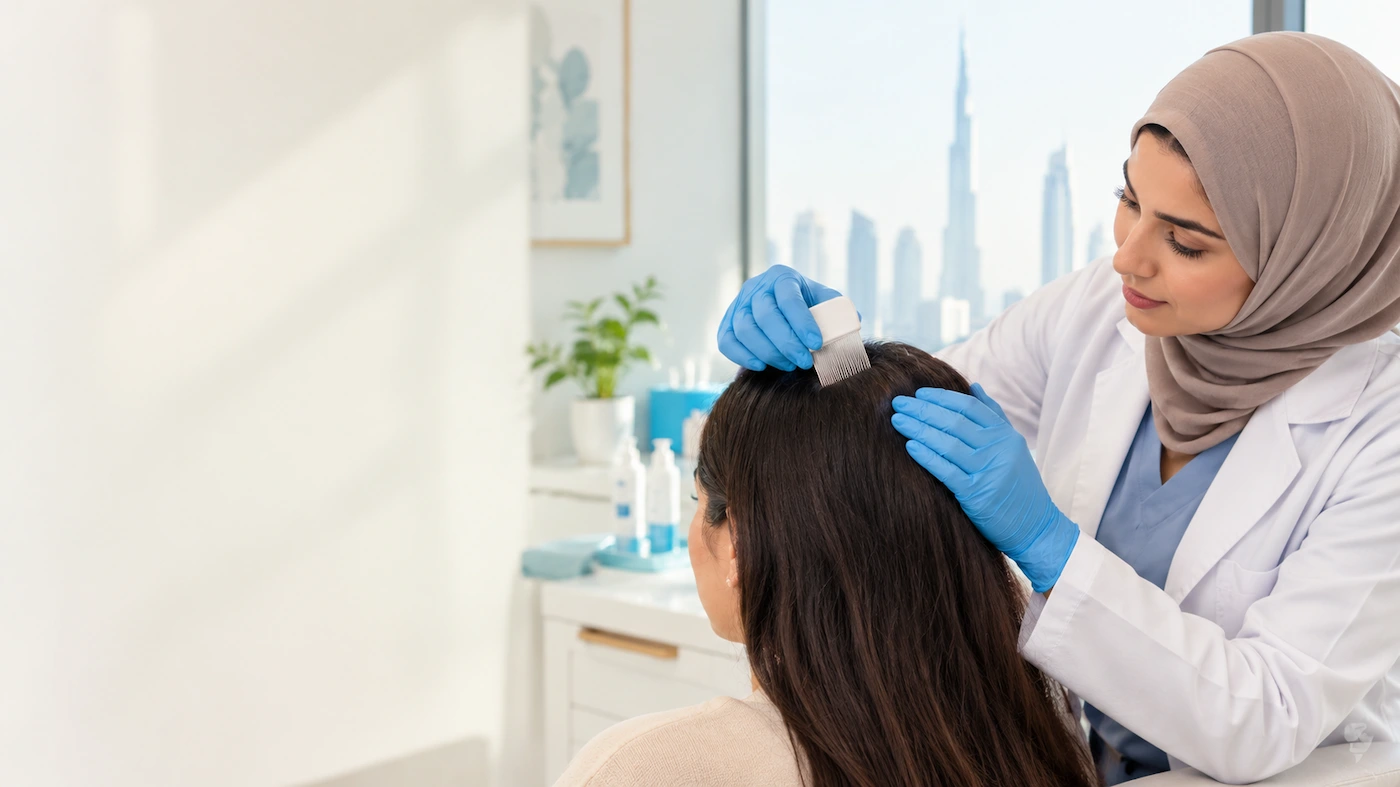
A specialist service may be useful if your hair is very long, you cannot examine every section yourself, or previous home treatments have not worked.
Professional removal involves examining the hair and carefully removing lice and nits, with follow-up according to the service policy. This does not mean home treatment cannot work. Outcomes depend on the method, how carefully it is performed, and whether follow-up instructions are followed.
How to Manage Lice in Long or Thick Hair
Long hair does not attract more lice, but it can make inspection and removal more time-consuming. Missed sections may allow an infestation to continue.
If you are treating your hair at home:
- Divide the hair into small sections and secure them with clips.
- Work in good lighting so you can inspect each section.
- Comb from close to the scalp to the ends using a fine-toothed lice comb.
- Clean the comb after each pass.
- Ask someone to help check behind the ears and around the nape.
- Repeat checks according to the treatment instructions.
Most head lice eggs hatch in approximately 6–9 days, and the young lice then need several more days to mature. This is why follow-up matters. The exact schedule depends on the treatment used, so follow the product label or professional advice rather than applying every treatment on the same timetable.
How Can You Prevent Lice From Spreading Within the Household?
When an infestation is confirmed, check household members and other close contacts, especially anyone who shares a bed with the affected person.
The US Centers for Disease Control and Prevention (CDC) recommends treating infested household members and close contacts, as well as people who share a bed with them, at the same time. Do not automatically apply lice medicine to everyone in the household without checking whether treatment is needed and appropriate.
You do not need to disinfect the entire home or spray insecticides around the rooms. Focus on clothing, bedding, and other items used during the two days before treatment. Wash and dry washable items using appropriate heat settings.
Combs and brushes can be soaked in hot water at approximately 130°F (54°C) for 5–10 minutes. Avoid fumigant sprays or foggers because they can be toxic if inhaled or absorbed through the skin.
Head lice generally die within one to two days after falling off a person and being unable to feed, so extensive household pesticide treatment is unnecessary.
Professional Head Lice Removal in Dubai With Zero Lice
If you prefer help examining your hair and removing lice and nits, Zero Lice offers head lice removal in Dubai through home visits. Contact the team to confirm whether your exact location is covered and which package applies to your hair length.
The service starts with a hair check, followed by careful lice and nit removal. The published packages include one full treatment session and one free follow-up visit, which must be scheduled 5–7 days after the initial session.
Under the published service terms, complimentary retreatment applies if live lice are found during the scheduled follow-up, subject to the stated policy.
Zero Lice Prices by Hair Length
According to the published pricing page, the service cost depends on hair length:
- Hair up to the ears: AED 150, compared with the listed original price of AED 270.
- Hair below the ears to the shoulder blade: AED 180, compared with AED 320.
- Hair below the shoulder blade to the chest: AED 210, compared with AED 370.
- Hair below the chest: AED 240, compared with AED 420.
Each package includes one full treatment session and one free follow-up. Confirm current rates and service coverage before booking through the official Zero Lice pricing page.
You can also review the head lice removal process to understand what to expect during the service.
When Should You See a Doctor?
Seek medical advice if treatment has not worked despite following the instructions, if live lice remain after the recommended treatment schedule, or if you are unsure whether the symptoms are caused by lice.
Consult a healthcare professional if scratching has caused sores that appear infected, if you develop a significant rash, or if you are considering medicated lice treatment during pregnancy or breastfeeding.
If you find lice on your eyelashes or eyebrows, do not apply head lice products near your eyes. A doctor can advise on appropriate treatment for that area.
Frequently Asked Questions About Adult Head Lice Treatment
Can Adults Get Head Lice From Their Children?
Yes. Head lice can spread from an infested child to an adult through direct hair-to-hair contact. Close household contacts should be checked when an infestation is confirmed.
Do Head Lice Mean Poor Personal Hygiene?
No. Head lice are not related to personal cleanliness, and anyone can become infested.
How Long Can Head Lice Survive Away From the Scalp?
Head lice generally die within one to two days when they fall off a person and cannot feed. Extensive household pesticide spraying is unnecessary.
Is One Lice Removal Session Enough?
A session may remove the lice and nits detected during examination, but eggs that were missed may hatch later. Follow-up is therefore important, and no treatment can guarantee that a new infestation will never occur.
Does Long Hair Need a Different Lice Treatment?
Not necessarily, but it can take longer to inspect and comb thoroughly. Follow the instructions for your chosen treatment and make sure every section of the hair is checked.
Do Vinegar and Mayonnaise Remove Head Lice Effectively?
There is no reliable scientific evidence supporting mayonnaise or similar household substances as effective lice treatments. Choose an established method and follow its instructions.
Effective head lice treatment for adults in Dubai starts with confirming an active infestation, choosing an appropriate removal method, and completing the recommended follow-up.
If your hair is long or you find it difficult to examine every section yourself, professional removal may make the process more manageable.
To review the available options, visit Zero Lice head lice removal in Dubai and the official pricing page. Contact the team to confirm your service area, current price, and follow-up appointment.